《空响》入围2025年日本东京字体指导俱乐部年赛奖·品牌类
"Studio Void" was shortlisted for the 2025 Japan Tokyo TDC Annual Awards in the Branding Category
Tokyo TDC (Tokyo Type Directors Club) was established in 1987 with the mission of exploring the profound relationship between characters and language in typographic design, while also emphasizing the connection between art directors and client needs, as well as the integration of visual arts and graphic design. Each year, it receives exceptional entries from around the world, selects the finest works, and awards the Tokyo TDC Grand Prize. Over the years, Tokyo TDC has continuously challenged the definitions and forms of typography, typeface, and lettering in graphic design, promoting the application and innovation of typography in printing, advertising, publishing, and digital media. It now stands as one of the world's leading international design competitions.
This year's competition received 3,590 entries (1,636 from Japan and 1,954 from overseas). Through a rigorous judging process, one Grand Prize, six TDC Prizes, one Type Design Prize, one Book Design Prize, one RGB Prize, and one Special Prize were awarded. All awards, except the Grand Prize, hold equal status.
Tokyo TDC(东京字体指导俱乐部)成立于1987年,其宗旨是表现字体设计中文字和语言之间的深刻关联,同时也十分关注艺术指导者与企业诉求的关系,以及视觉艺术和平面设计的联通。它每年从世界各地收到优异的参赛作品,从中选拔出顶尖之作,并授予Tokyo TDC大奖。多年来,它不断挑战排版的定义与型式、字形和字体的平面设计,推动字体在印刷、广告、出版和屏幕的应用与创新,涉及当代字体设计各个领域,现在已经发展成为屈指可数的国际性设计年赛。
本次大赛共收到3590份作品(1636份来自日本,1954份来自海外)。经过严格的评审,评出全场大奖1名、TDC奖6名、字体设计奖1名、书籍设计奖1名、RGB奖1名、特别奖1名。除大奖之外,所有奖项规格相同。
空响 Studio Void
2024
Brand Design
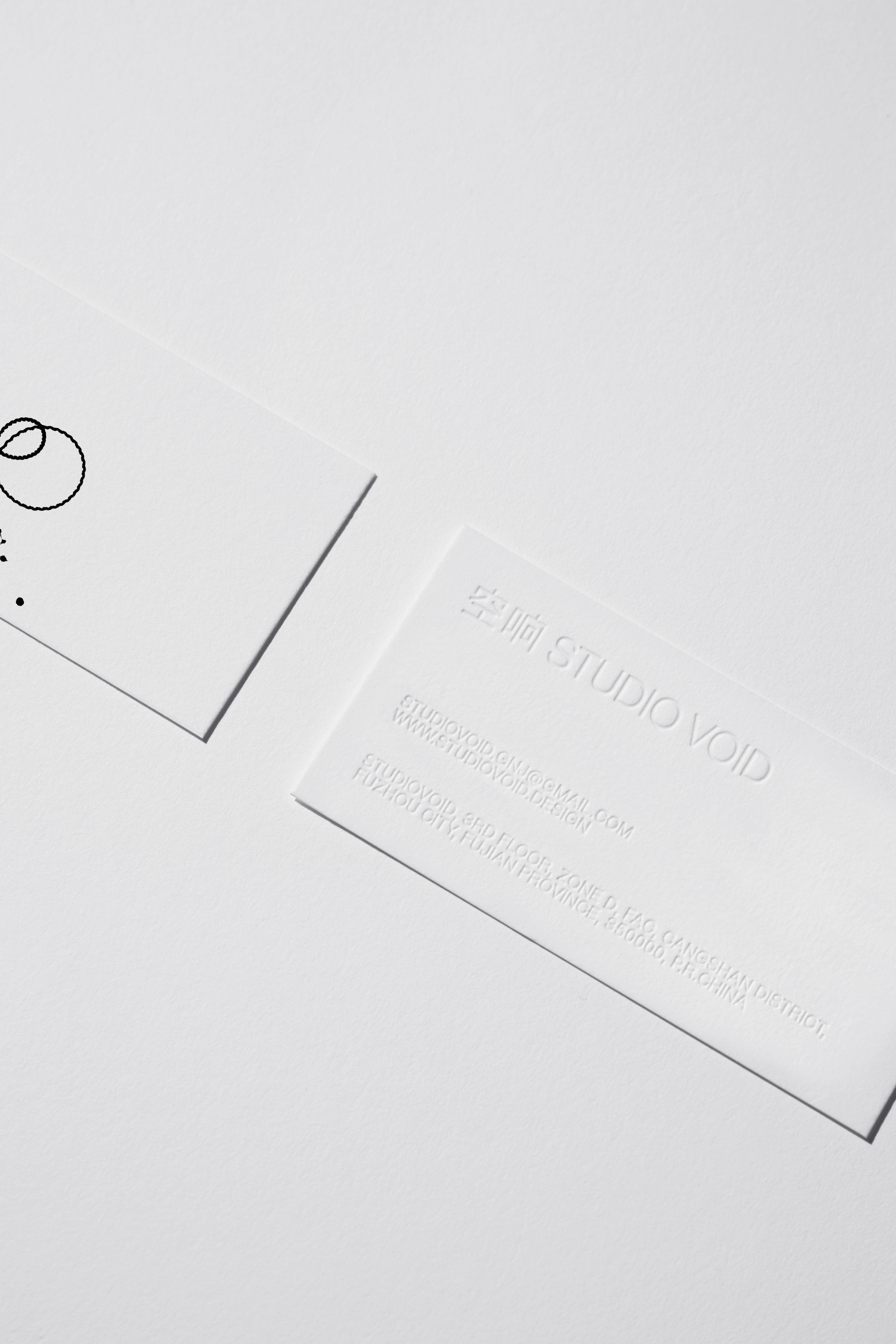
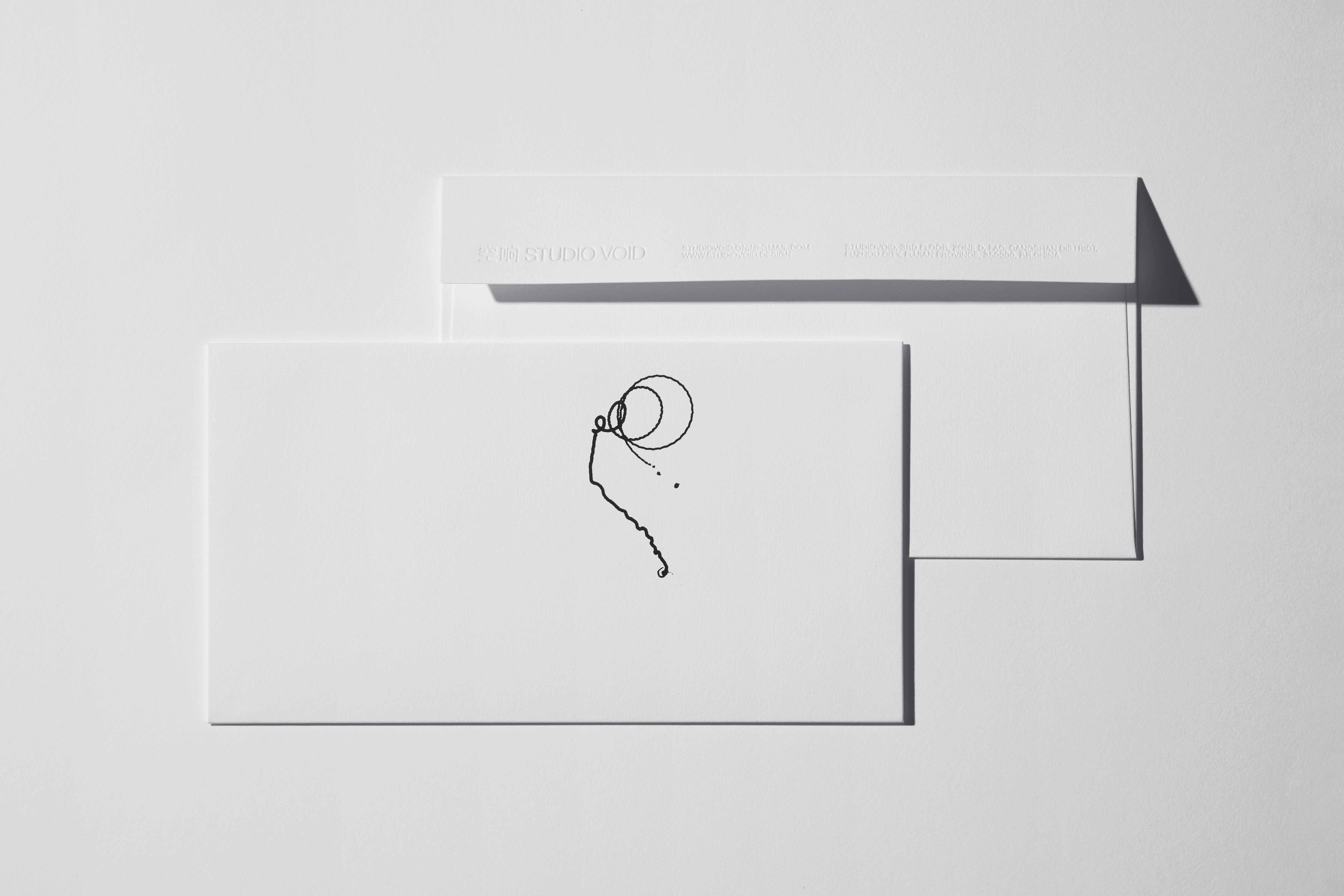
In the visual creation for "STUDIO VOID," we reinterpret the concepts of "void" (空) and "echo" (响)—not as physical emptiness and echo, but as the path of thinking and flow of consciousness generated by spatial designers in their projects. It is an exploration of the relationship between space, time, and people.
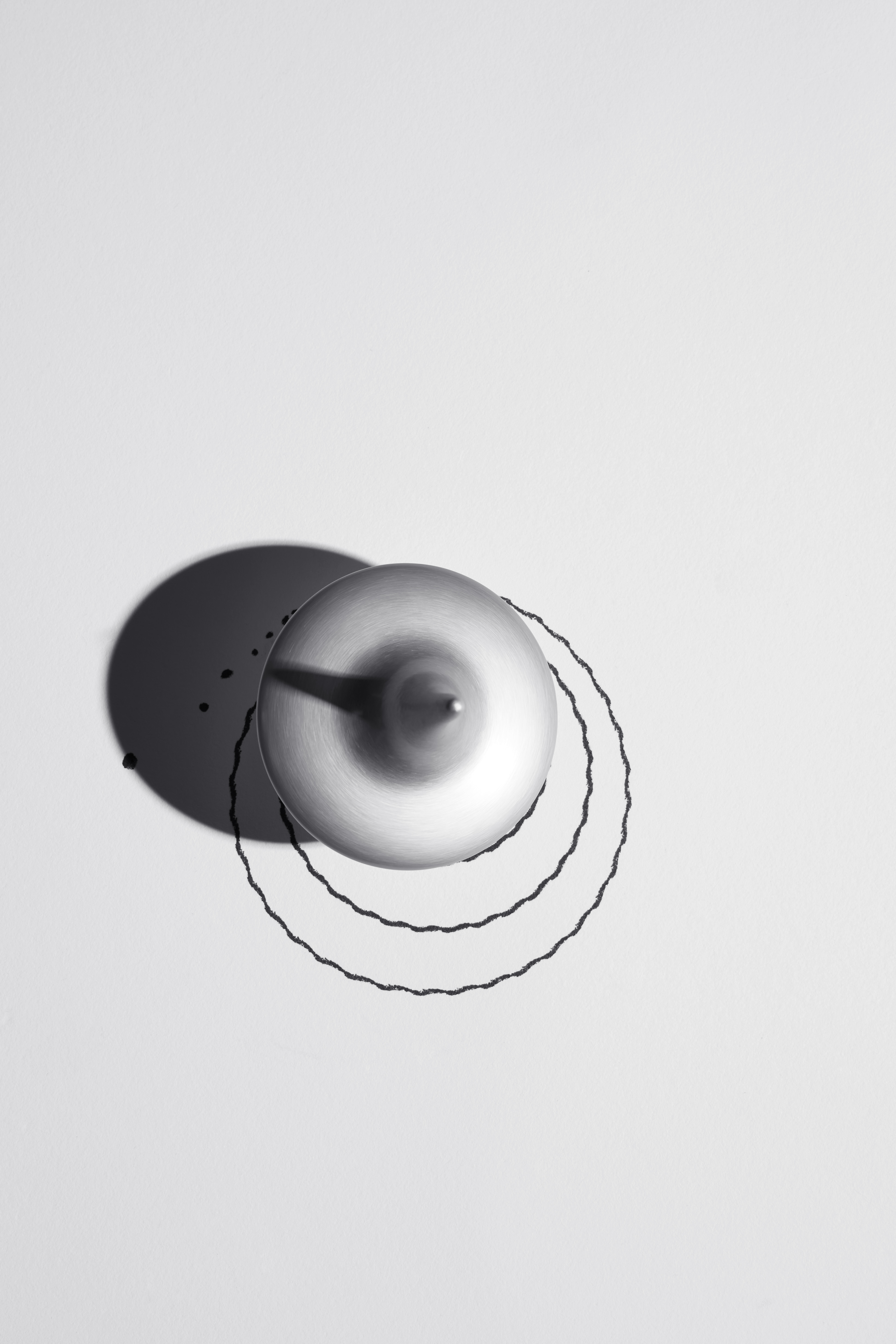
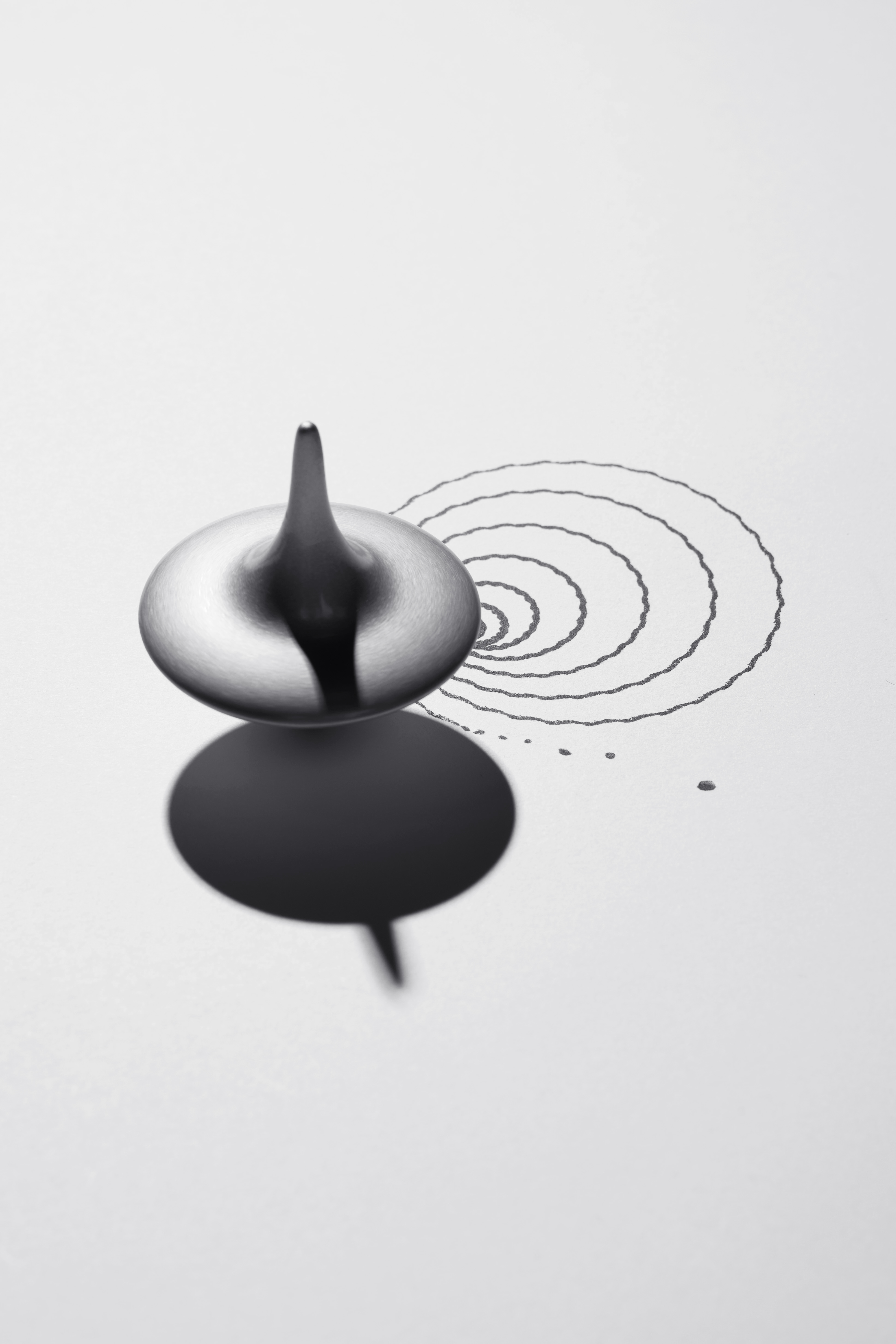
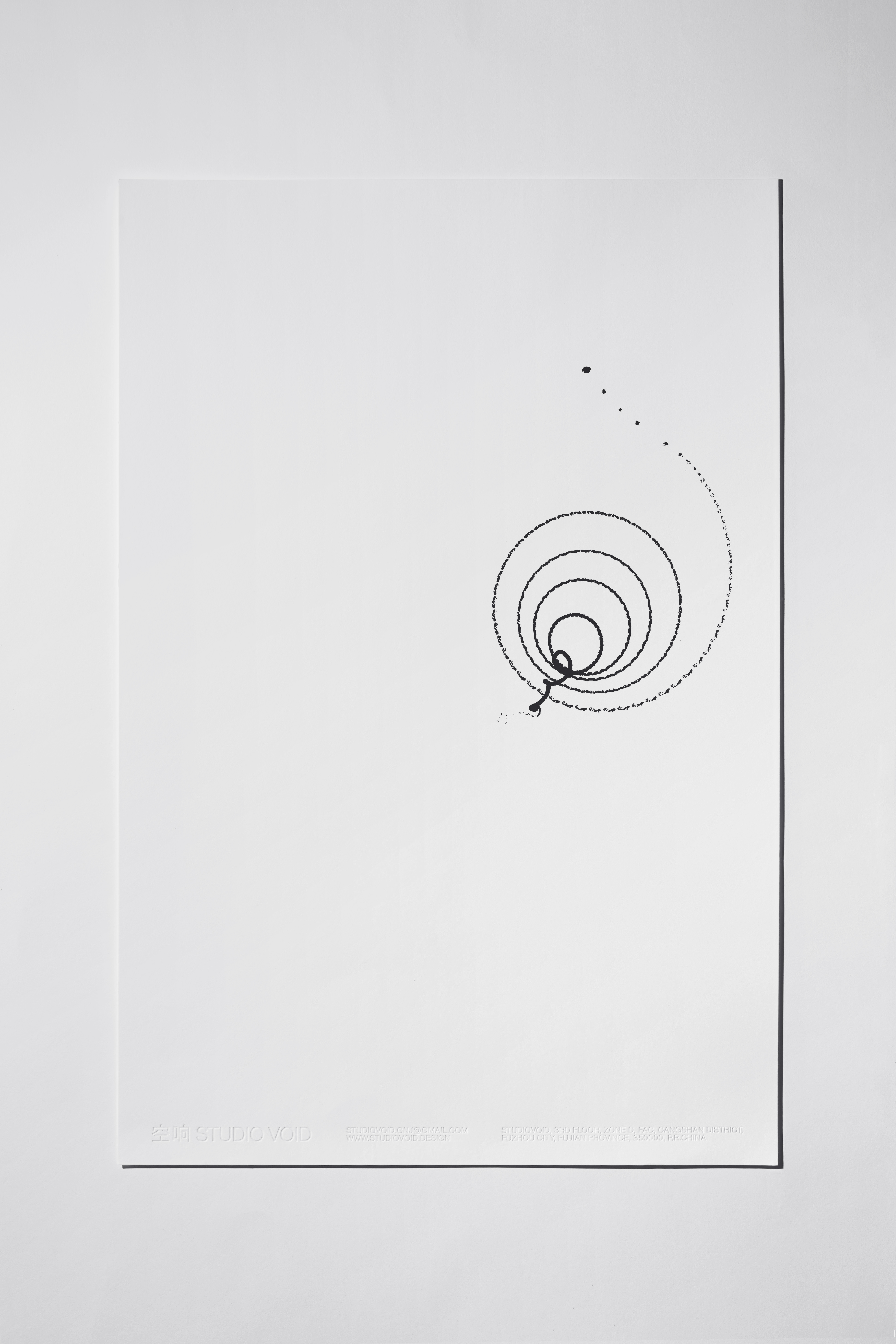
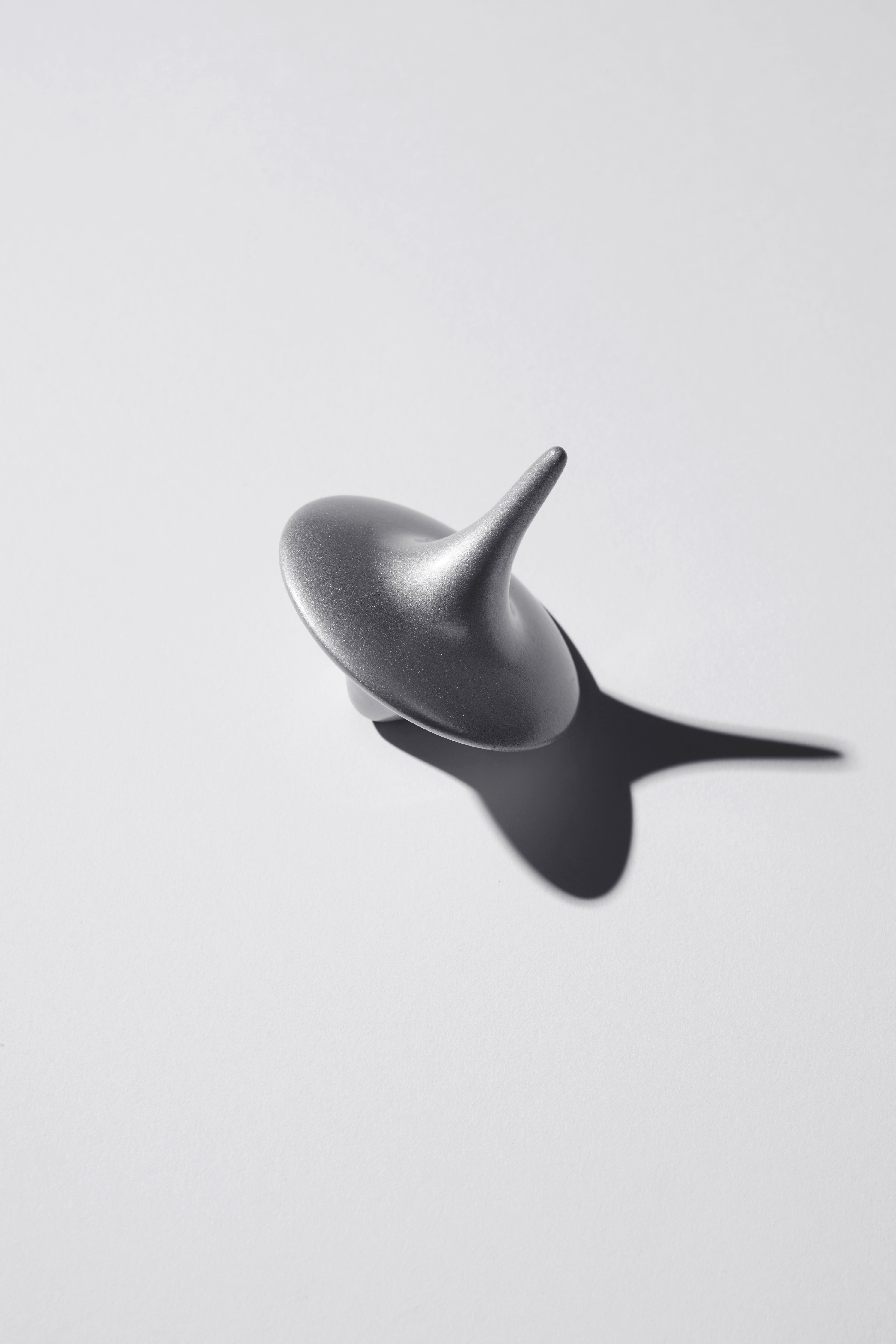
To make this "flowing thought" visible, we used spinning tops as a medium. Through 3D printing, we created spinning tops and experimented with embedding different pen cores inside. When set in motion by hand, they produced natural movement trajectories, building a connection between "object" and "field."
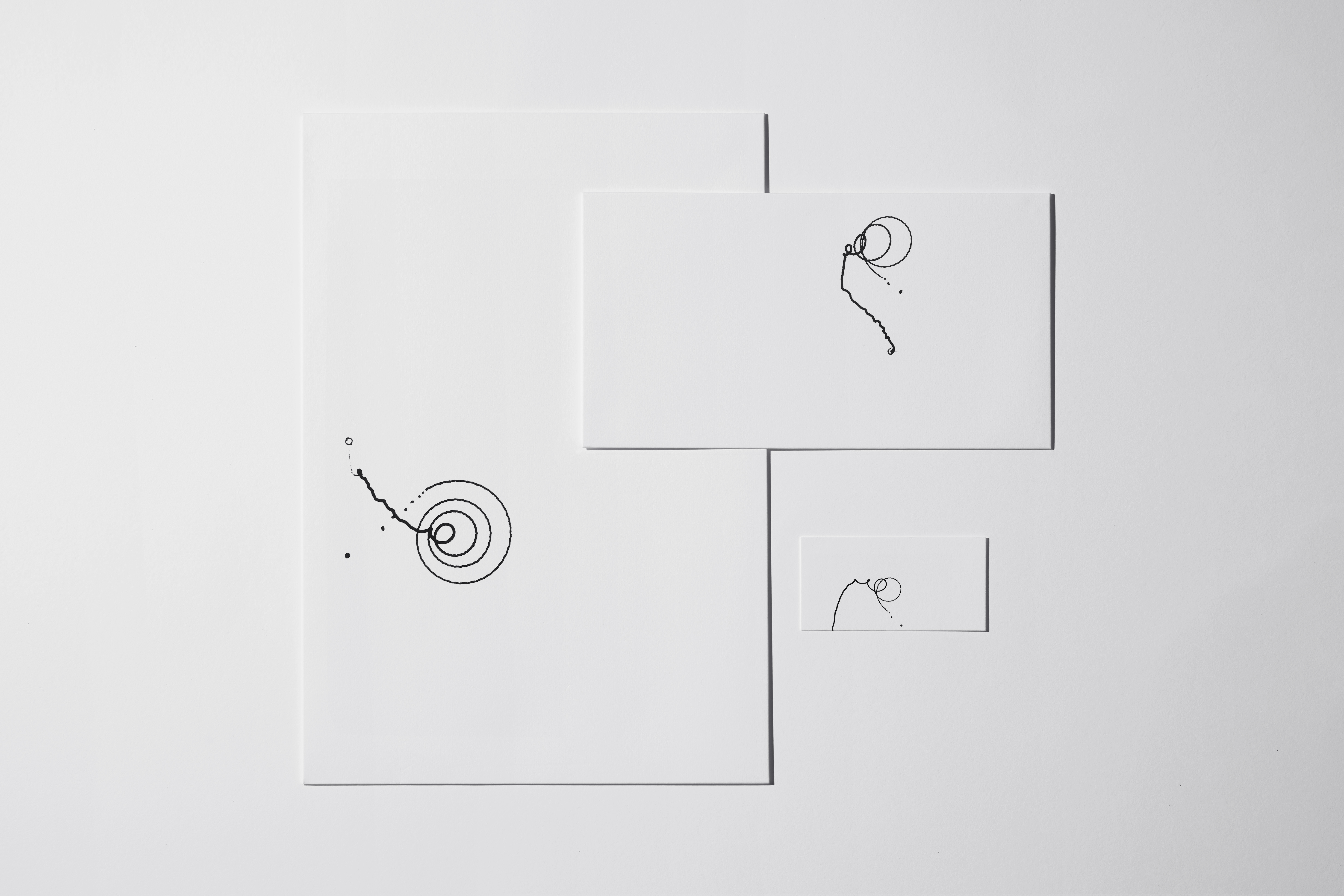
We sought to document these trajectories and unexpectedly discovered that even slight variations in the force or angle of each spin resulted in entirely different patterns. These forms were born from unrepeatable physical moments. The dynamic motion of the spinning tops transformed abstract design thinking into a coherent and memorable visual language.
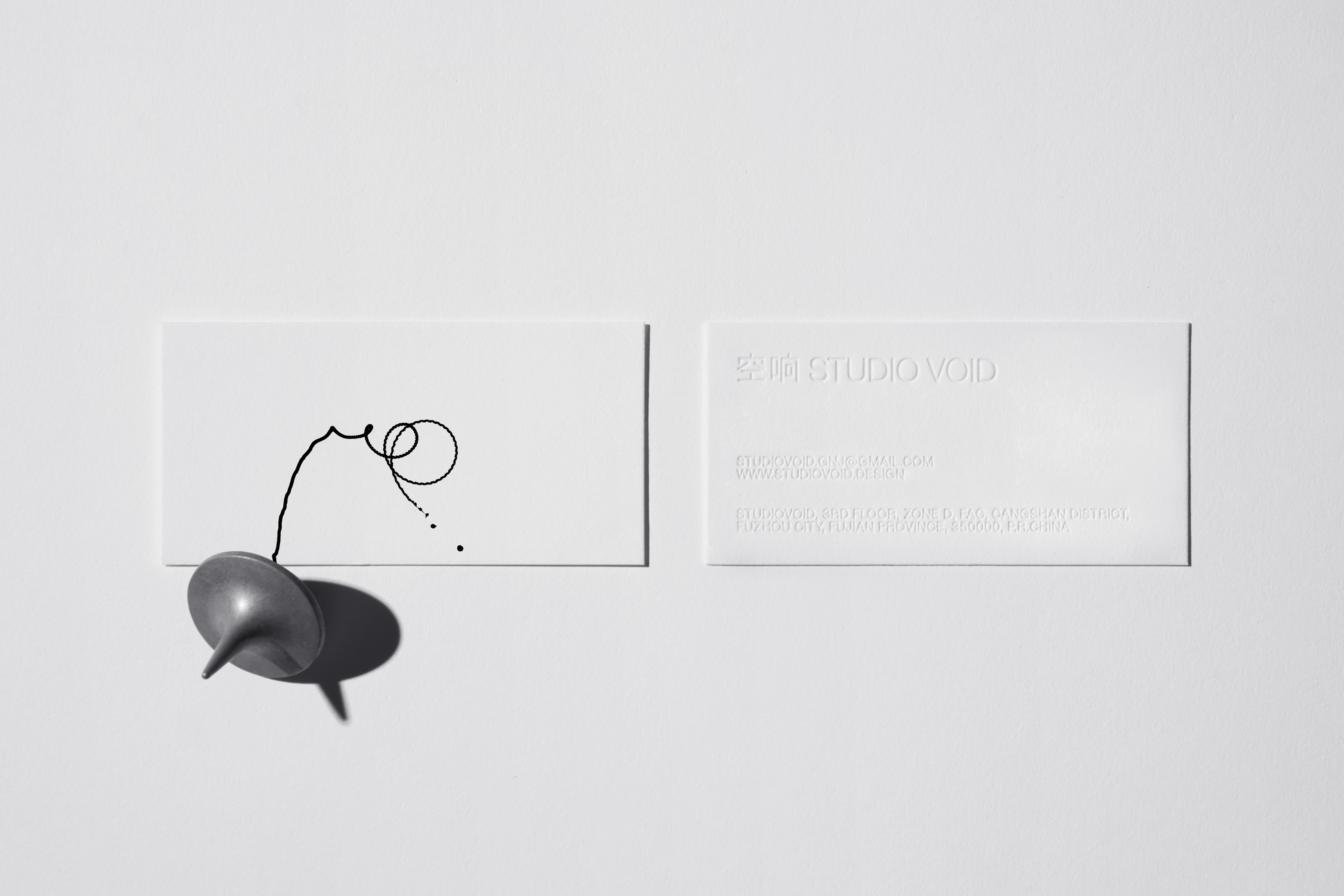
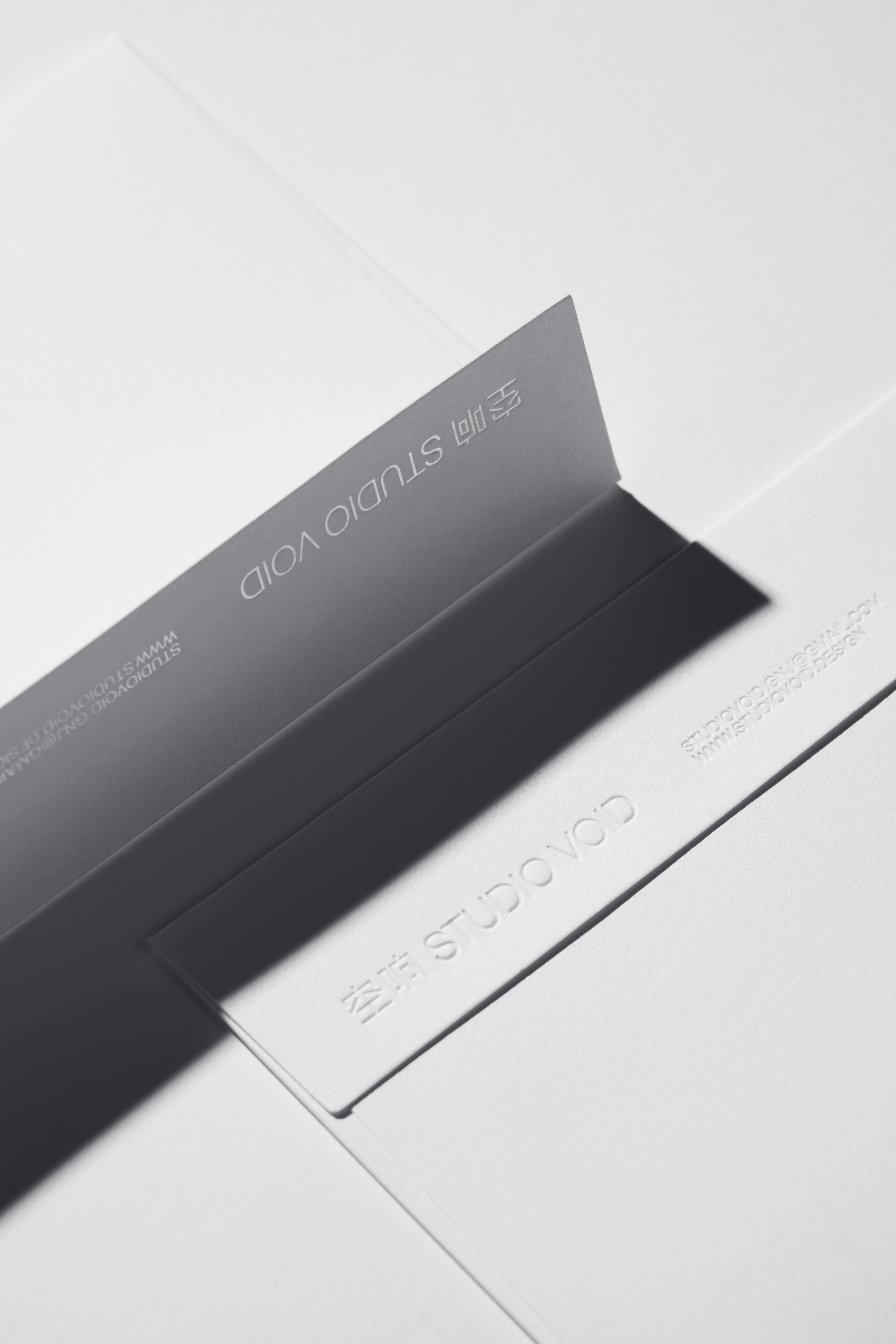
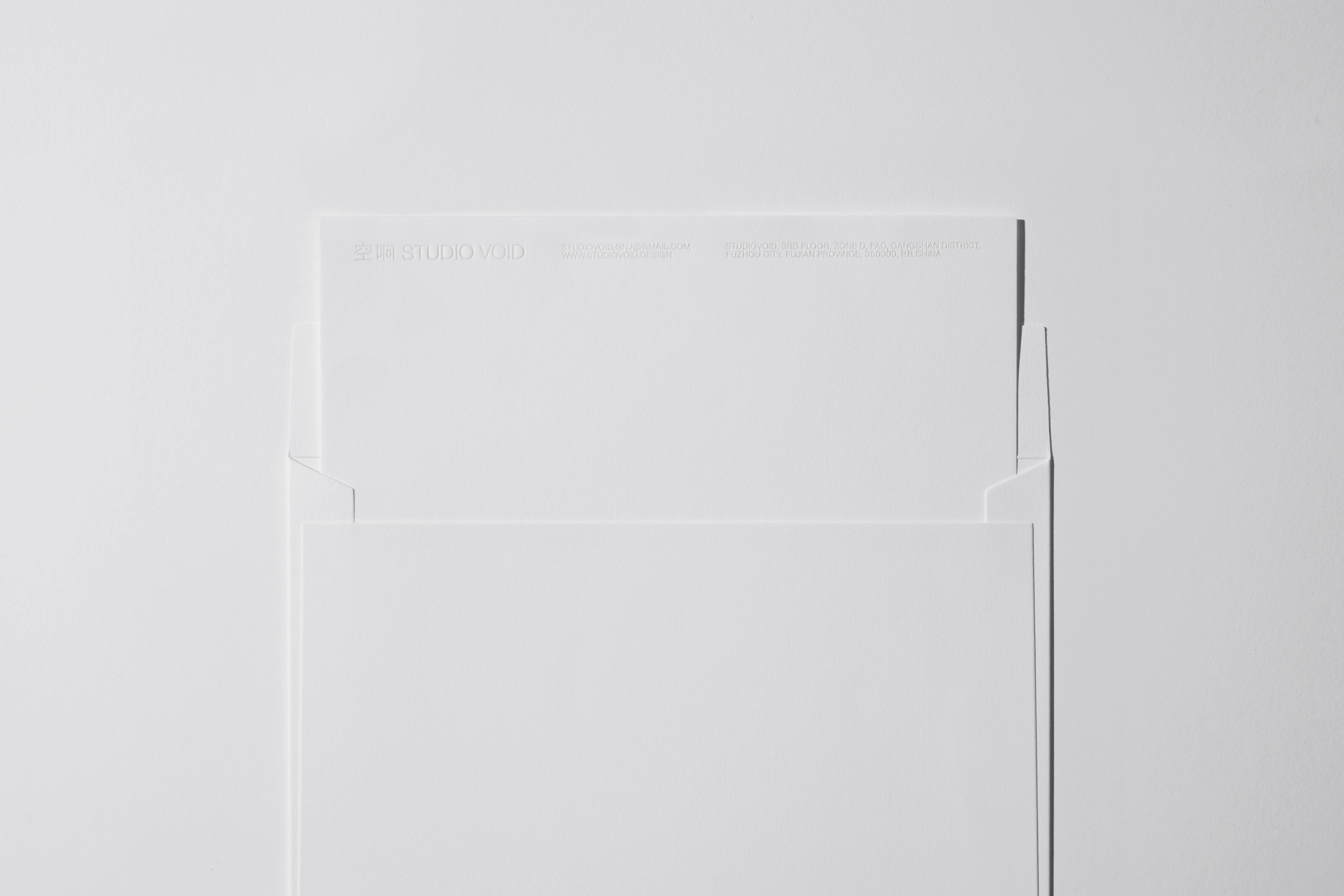
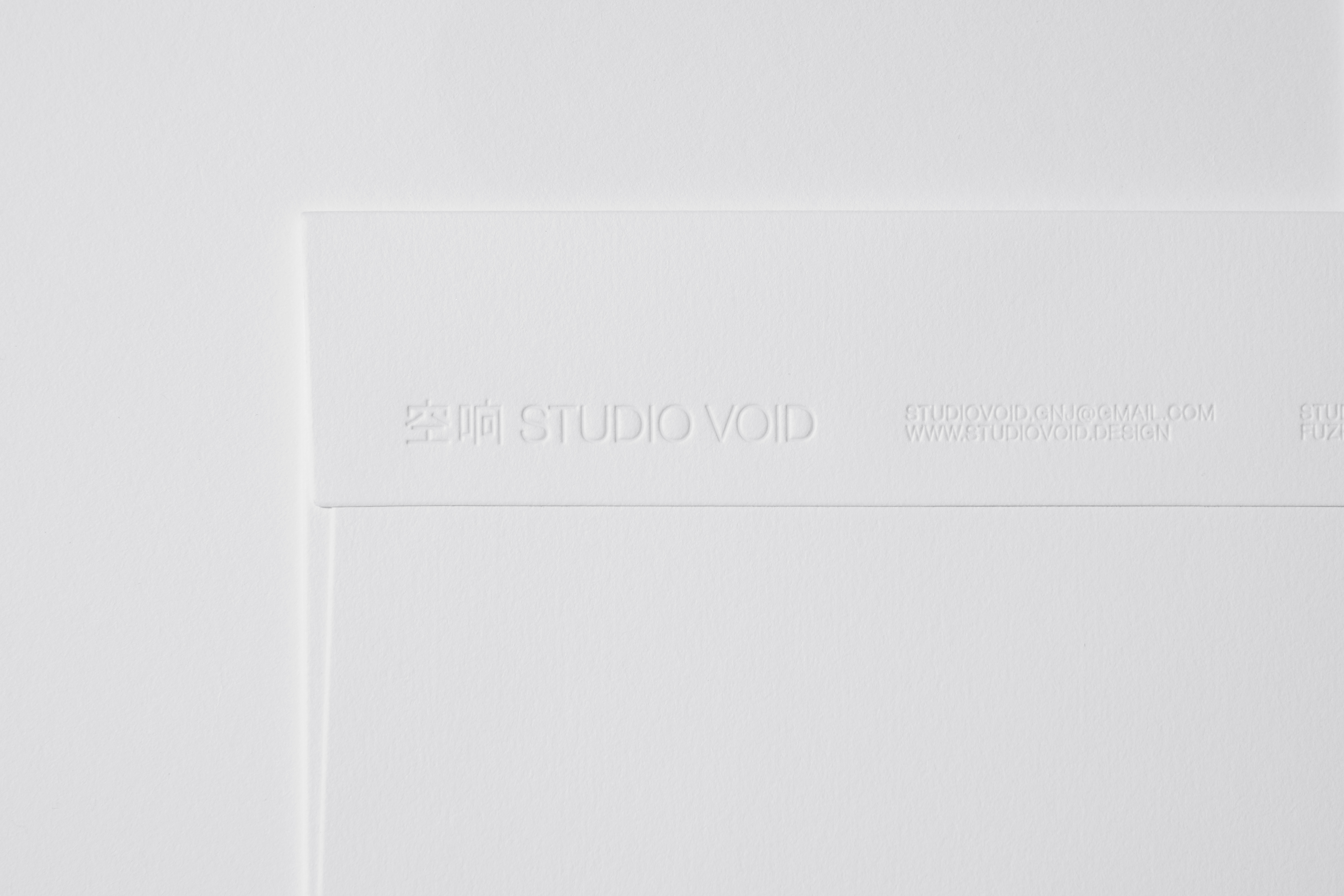
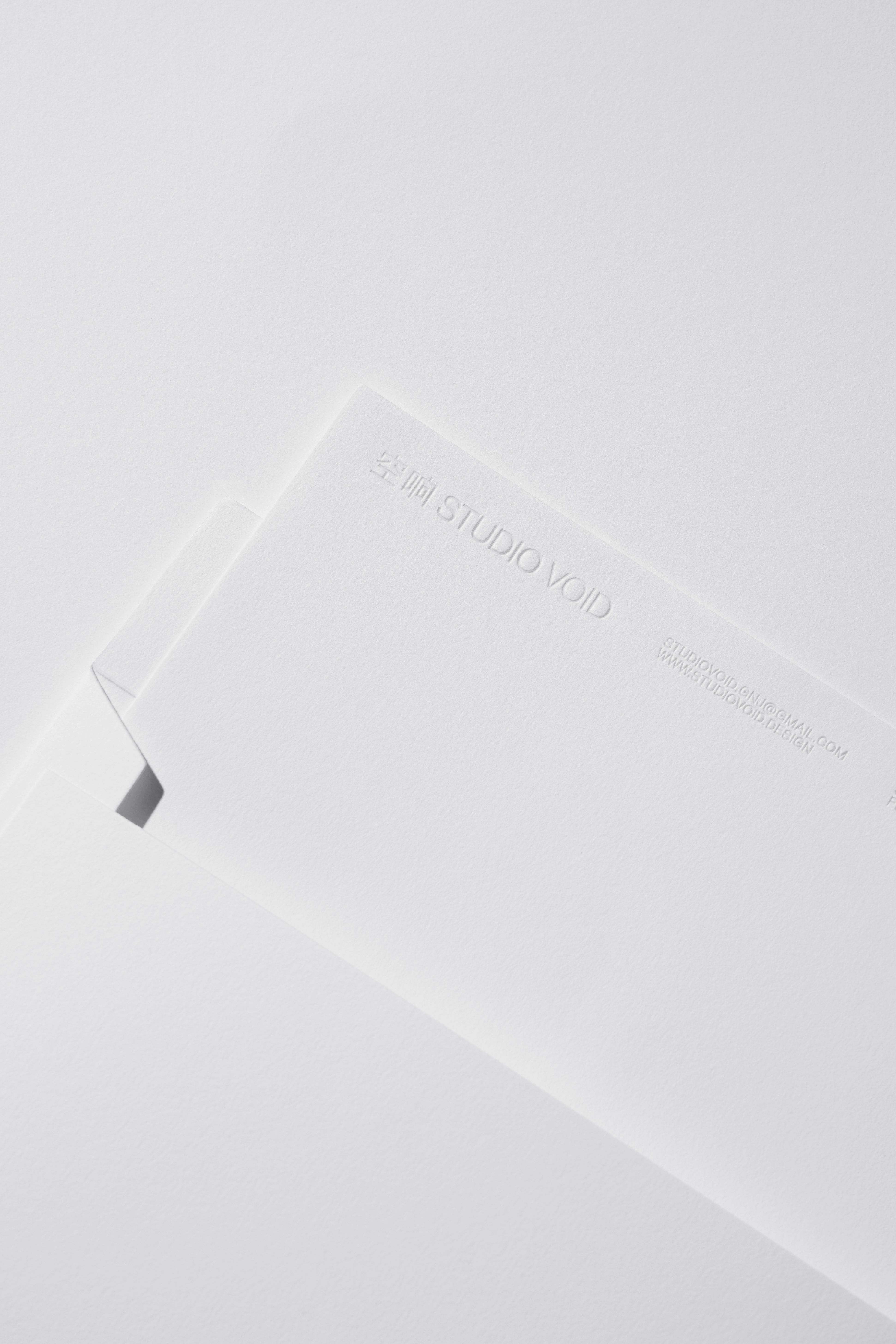
In terms of material selection, we chose Japanese Sakura Snow paper. Its delicate, snow-like texture, combined with debossing techniques, resembles faint footprints left on a snowy landscape. This not only reinforces the quiet and expansive atmosphere of "void" and "resonance" but also grounds the visual language in a tangible, tactile experience.
在 “STUDIO VOID 空响” 的视觉创作中,我们重新解读了 “空” 与 “响”—— 它并非物理意义上的空旷与回声,而是空间设计师在项目中所产生的思维的路径、意识的流动,更是对空间、时间和人三者关系的探索。
为了让这份 “流动的思维” 看得见,我们以陀螺为媒介,通过 3D 打印制作陀螺,反复试验着往里面嵌不同笔芯,通过人力转动,产生自然的运动轨迹,搭起了 “物”与 “场”的联系。
我们试着记录这些轨迹,过程中意外发现:每次抛转陀螺的力道、角度稍不一样,出现的轨迹就完全不同。这些形态诞生于不可复制的物理瞬间。而陀螺旋转的动态感,也让抽象的设计思考,变成了连贯又有记忆点的视觉语言。
物料选择上,我们选用了日本樱雪纸,它细腻得像积雪的质感,搭配压凹工艺,就像雪地上留下的轻浅足迹。既强化了 “空” 与 “响” 的静谧空旷意境,也让视觉语言在触觉上有了落点。
Designer_Bosen
Photographer_邹训楷
Producer_喜形印物
Client_Studio Void